The Philosophy Behind the Execution.
The Philosophy Behind the Execution.
Why Keel exists. What we believe. How we think.
Why Keel exists. What we believe. How we think.
/ / THE BLUEPRINT
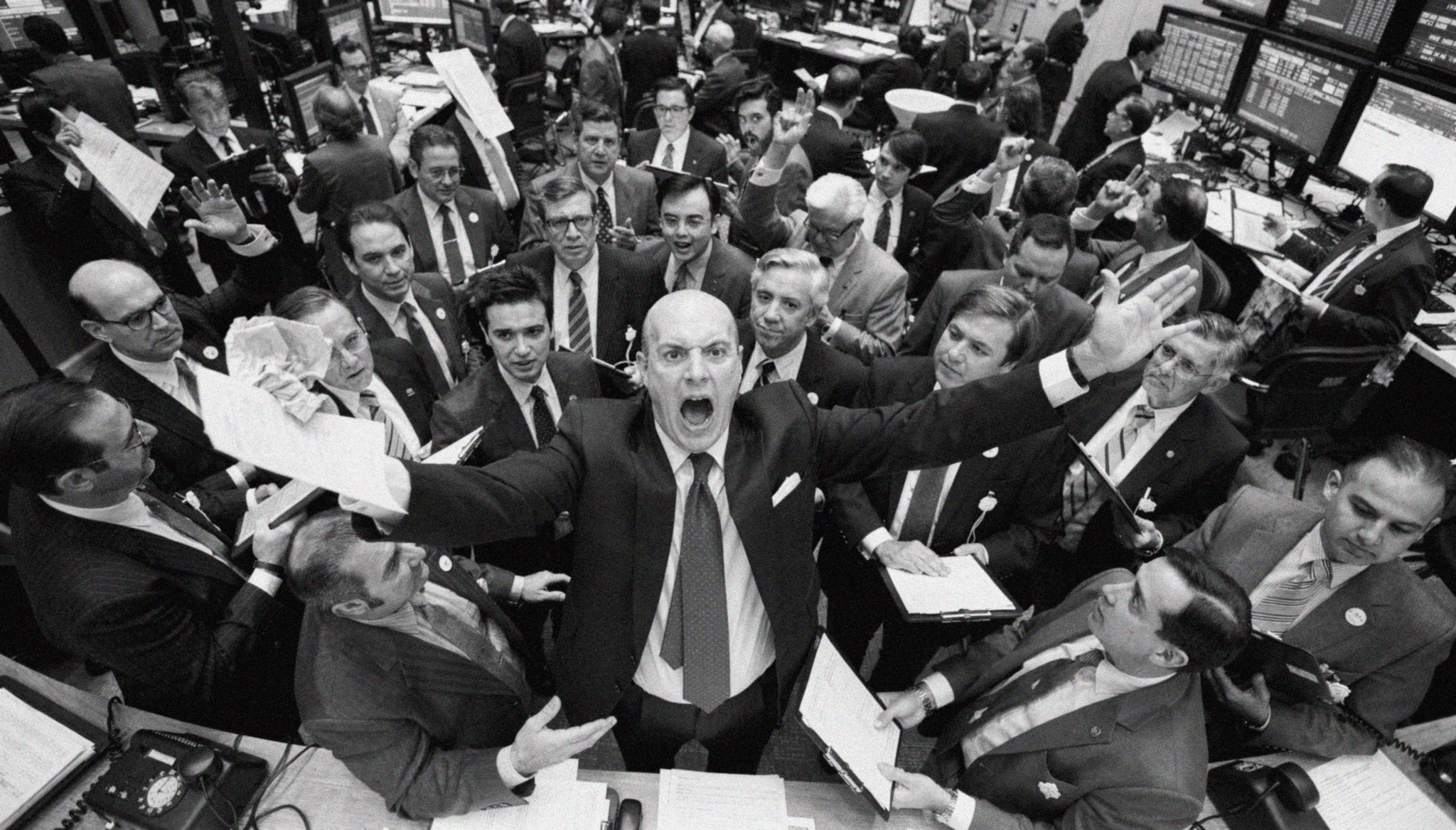
Strategy Without Execution Is Just Noise
The middle market is where value is actually created in America. Companies between startup chaos and enterprise bureaucracy. Big enough to matter. Small enough to move. But the advisory ecosystem has abandoned this segment. Premium firms chased larger mandates. What remains is fragmented, narrow, and under-resourced. Keel believes these companies deserve access to the same quality of execution that Fortune 500 companies take for granted.
The Forgotten Engine
Why the Middle Market Matters
The middle market is where value is actually created in America. Companies between startup chaos and enterprise bureaucracy. Big enough to matter. Small enough to move. But the advisory ecosystem has abandoned this segment. Premium firms chased larger mandates. What remains is fragmented, narrow, and under-resourced. Keel believes these companies deserve access to the same quality of execution that Fortune 500 companies take for granted.
The Forgotten Engine
Why the Middle Market Matters
The middle market is where value is actually created in America. Companies between startup chaos and enterprise bureaucracy. Big enough to matter. Small enough to move. But the advisory ecosystem has abandoned this segment. Premium firms chased larger mandates. What remains is fragmented, narrow, and under-resourced. Keel believes these companies deserve access to the same quality of execution that Fortune 500 companies take for granted.
The Forgotten Engine
Why the Middle Market Matters
The best execution comes from deep understanding. You can't optimize what you don't know. You can't fix what you haven't seen. Keel's advisory-first model means every engagement starts with immersion. Understanding the business at the operational level before proposing solutions at the strategic level. This creates something rare: an outside team that knows the inside story.
Trust Before Tactics
Why Advisory-First
The best execution comes from deep understanding. You can't optimize what you don't know. You can't fix what you haven't seen. Keel's advisory-first model means every engagement starts with immersion. Understanding the business at the operational level before proposing solutions at the strategic level. This creates something rare: an outside team that knows the inside story.
Trust Before Tactics
Why Advisory-First
The best execution comes from deep understanding. You can't optimize what you don't know. You can't fix what you haven't seen. Keel's advisory-first model means every engagement starts with immersion. Understanding the business at the operational level before proposing solutions at the strategic level. This creates something rare: an outside team that knows the inside story.
Trust Before Tactics
Why Advisory-First
Traditional advisory is misaligned. The longer the engagement, the more revenue. The more complex the recommendation, the more follow-up work. Keel inverts this. Success fees align us with outcomes. Retainers cover the work. Equity participation creates long-term partnership. The result: Keel is motivated to solve problems, not extend them.
The Consulting Model Is Broken
Why Outcomes Over Hours
Traditional advisory is misaligned. The longer the engagement, the more revenue. The more complex the recommendation, the more follow-up work. Keel inverts this. Success fees align us with outcomes. Retainers cover the work. Equity participation creates long-term partnership. The result: Keel is motivated to solve problems, not extend them.
The Consulting Model Is Broken
Why Outcomes Over Hours
Traditional advisory is misaligned. The longer the engagement, the more revenue. The more complex the recommendation, the more follow-up work. Keel inverts this. Success fees align us with outcomes. Retainers cover the work. Equity participation creates long-term partnership. The result: Keel is motivated to solve problems, not extend them.
The Consulting Model Is Broken
Why Outcomes Over Hours
In high-stakes situations, delay is not neutral. Markets move. Lenders lose patience. Competitors act. Management burns out. Keel operates with urgency because urgency is the reality. The question isn't whether speed matters—it's whether you have a partner who can move at the pace the situation requires.
Time Is Not on Your Side
Why Speed Matters
In high-stakes situations, delay is not neutral. Markets move. Lenders lose patience. Competitors act. Management burns out. Keel operates with urgency because urgency is the reality. The question isn't whether speed matters—it's whether you have a partner who can move at the pace the situation requires.
Time Is Not on Your Side
Why Speed Matters
In high-stakes situations, delay is not neutral. Markets move. Lenders lose patience. Competitors act. Management burns out. Keel operates with urgency because urgency is the reality. The question isn't whether speed matters—it's whether you have a partner who can move at the pace the situation requires.
Time Is Not on Your Side
Why Speed Matters
Keel is selective not out of elitism, but efficiency. The model works when there's full trust, full access, and full commitment from both sides. If management wants a second opinion more than a partner, Keel isn't the right fit. If the board wants a scapegoat more than a solution, Keel isn't the right fit. When the alignment is there, the outcomes speak for themselves.
Not Every Company Qualifies
Why Selectivity
Keel is selective not out of elitism, but efficiency. The model works when there's full trust, full access, and full commitment from both sides. If management wants a second opinion more than a partner, Keel isn't the right fit. If the board wants a scapegoat more than a solution, Keel isn't the right fit. When the alignment is there, the outcomes speak for themselves.
Not Every Company Qualifies
Why Selectivity
Every deal is different. But the patterns repeat. The lender who says yes on Tuesday says no on Friday when their credit committee weighs in. The buyer who moves fastest in LOI moves slowest in diligence. The management team that's most confident is often most fragile. Keel has seen enough to recognize what's coming before it arrives. That's not intuition—it's the accumulated pattern library from years of execution.
Pattern Recognition Over Theory
Why Study the Tape
Every deal is different. But the patterns repeat. The lender who says yes on Tuesday says no on Friday when their credit committee weighs in. The buyer who moves fastest in LOI moves slowest in diligence. The management team that's most confident is often most fragile. Keel has seen enough to recognize what's coming before it arrives. That's not intuition—it's the accumulated pattern library from years of execution.
Pattern Recognition Over Theory
Why Study the Tape
Every deal is different. But the patterns repeat. The lender who says yes on Tuesday says no on Friday when their credit committee weighs in. The buyer who moves fastest in LOI moves slowest in diligence. The management team that's most confident is often most fragile. Keel has seen enough to recognize what's coming before it arrives. That's not intuition—it's the accumulated pattern library from years of execution.
Pattern Recognition Over Theory
Why Study the Tape
/ / Study the Tape
/ / Study the Tape
Students of the Game
Students of the Game
Students of the Game
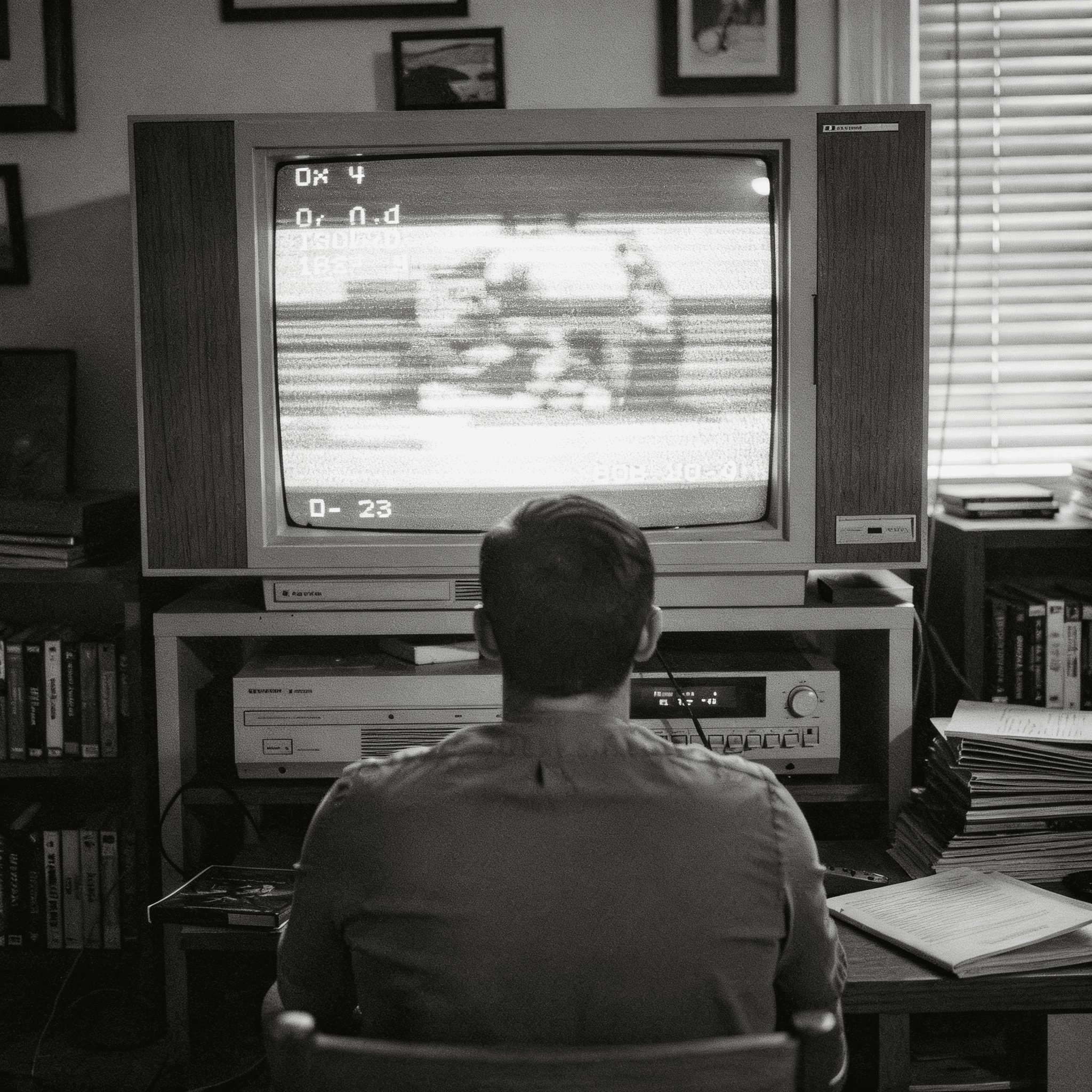
Athletes study film. Investors study filings. Operators study deals.
Athletes study film. Investors study filings. Operators study deals.
Keel's approach is rooted in pattern recognition. Understanding how transactions actually get done. What lenders really care about. Where deals fall apart. What separates outcomes from intentions.
This isn't theory. It's the accumulated knowledge from sitting across the table from every type of counterparty in every type of situation. Lenders, buyers, sellers, management teams, boards, investors.
That pattern recognition is what enables speed. When you've seen the play before, you know what comes next.
Keel's approach is rooted in pattern recognition. Understanding how transactions actually get done. What lenders really care about. Where deals fall apart. What separates outcomes from intentions.
This isn't theory. It's the accumulated knowledge from sitting across the table from every type of counterparty in every type of situation. Lenders, buyers, sellers, management teams, boards, investors.
That pattern recognition is what enables speed. When you've seen the play before, you know what comes next.